Diagnostic Services At Reading: Private Microsuction Ear Wax Removal In Reading RG30
This Page Modified on 22:46, 14 Oct 2026

Our Reading ear wax removal location sits within the medical clinic inside Oxford Road Pharmacy, a short walk from Lidl and close to Reading West station on Oxford Road. Free on-street parking is available for up to one hour nearby, with longer stay parking available at Lidl. The clinic also offers disabled access via a wheelchair lift.
Ear Wax Removal Reading Rg30 Map, Location and Directions
You can get directions to our Microsuction Reading Location here. Just put in your location in the specified area and Google Maps should lead you to the clinic.
Hearing First St Albans
Ginger Natural Health,
URL: https://www.hearingfirst.co.uk/book-ear-wax-removal-near-me/book-microsuction-ear-wax-removal-st-albans/
Probably the best ear wax removal clinic in Reading – don’t just take our word for it – here are some of our many 5 star reviews:
Private Ear Wax Assessment and Microsuction Care in Reading Rg30
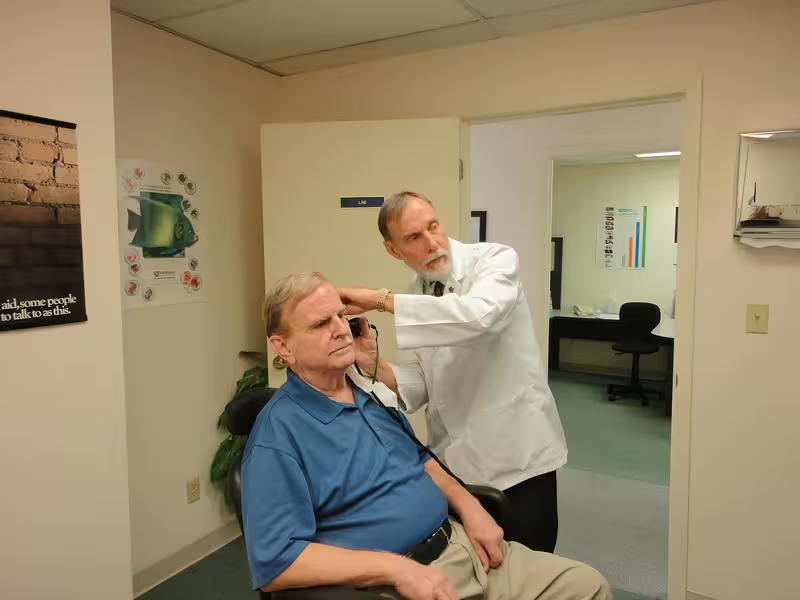
Private microsuction ear wax removal in Reading RG30 gives you a focused diagnostic service if you have blocked ears, reduced hearing, or a persistent feeling of fullness. Microsuction uses gentle suction under direct visual control inside the ear canal, helping a trained clinician assess what is going on and remove soft or impacted cerumen with precision. For many patients, the benefit is not only clearer hearing, but also a clearer sense of whether the issue is wax, irritation, infection, or another ear health concern. That diagnostic element matters, because symptoms such as muffled hearing, tinnitus, and pressure can overlap. In a private setting, the appointment is usually arranged ahead of time, leaving space for questions, ear history, and tailored advice. If you are looking for ear examination, ear canal assessment, or professional wax removal in Reading, this service is intended to be practical, clinically led, and convenient for adults who want timely help without avoidable delay.
What the Appointment Is Intended to Check
The main aim of the visit is to find out whether ear wax is causing your symptoms and whether microsuction is suitable on the day. A clinician will usually examine the ear canal with the correct equipment, consider the amount, texture, and position of the wax, and decide whether removal can proceed safely. This is especially useful if hearing has become dulled, sounds seem far away, or one ear feels more affected than the other. It can also help when self-care has not resolved the problem. Because the service is private and appointment based, there is time to explain the findings clearly and to discuss aftercare if the ear canal is sensitive or prone to repeated build-up. Many patients appreciate this step-by-step approach, particularly when they want reassurance before treatment.
Helpful Signs That a Diagnostic Visit May Be Worthwhile
- A blocked or full feeling in the ear, particularly if it changes when you swallow or yawn.
- Gradually muffled hearing that is beginning to affect television, meetings, or phone calls.
- Wax build-up that has returned after previous treatment or cleaning elsewhere.
- Itchiness or mild discomfort in the ear canal, without severe pain or discharge.
- Intermittent tinnitus, where wax may be contributing to what you notice in quiet rooms.
When a Clinician May Pause or Adjust the Plan
If the ear looks inflamed, if infection is suspected, or if you have a history of a perforated eardrum, the clinician may decide that microsuction should be delayed or modified. That careful judgement is part of the diagnostic service, and it helps protect both ear health and hearing.
Why Direct Visual Assessment Matters
Direct visual examination reduces guesswork. It allows the clinician to see whether wax is soft, dry, deep in the canal, or pressing against the eardrum, which can shape both treatment and advice. It also supports safer decision making for anyone with previous ear surgery or ongoing ear symptoms.
How Private Ear Examination and Wax Removal Work in Clinic
A private microsuction appointment in Reading usually follows a clear sequence, so you know what to expect. First, the clinician asks about your symptoms, medical history, and any previous ear problems. Next comes examination of the ear canal using magnification and a light source, which helps identify wax, skin debris, or other visible issues. If microsuction is suitable, a small suction device removes the wax under direct vision. Many people find the process quicker and more controlled than expected, although some ears are more sensitive than others. The aim is to balance comfort with effective clearance, while keeping the procedure clinically appropriate. This type of ear wax assessment is helpful for people who want a timely, private route to diagnosis and treatment in one visit, rather than waiting elsewhere or relying on uncertain home remedies.
Typical Stages of the Appointment
- Inspect the ear canal to confirm whether wax is present and whether it is safe to proceed.
- Discuss symptoms, past ear health, and any relevant history such as infections, surgery, or perforation.
- Use microsuction or another suitable method, depending on wax texture and location.
- Recheck the ear after removal to confirm the canal is clearer and the eardrum can be seen if needed.
- Give aftercare advice and explain what to do if symptoms continue.
What Makes the Procedure Feel Manageable for Many Patients
People often describe microsuction as more controlled because the clinician can see what is being removed at all times. That direct view helps reduce uncertainty and allows treatment to be adapted to each ear rather than using a one-size-fits-all approach. It can be especially useful where wax is close to the eardrum, where irrigation is not ideal, or where the ear canal is narrow. The appointment also gives space to ask practical questions about future wax build-up, ear hygiene, and whether routine checks might help.
Small Preparation Steps That Can Help
Some clinics advise softening wax beforehand if appropriate, but only when you have been told it is safe to do so. Bring a list of symptoms, mention any ear drops used recently, and avoid placing anything in the ear. Good preparation makes the diagnostic part of the visit more useful and can shorten the time needed for treatment.
Why Aftercare Matters as Much as Removal
Aftercare is not an optional extra. Clear advice helps reduce irritation, supports recovery of the ear canal, and makes it easier to spot any ongoing problem that may need further review. If your hearing does not settle as expected, a follow-up conversation may be sensible.
Disabled Parking
Car Parks Near Hearing First St Albans
- London Road Car Park, approximately 0.0 miles from Hearing First St Albans. View on Google Maps.
- Christopher Place Car Park, approximately 0.2 miles from Hearing First St Albans. View on Google Maps.
- Car park, approximately 0.5 miles from Hearing First St Albans. View on Google Maps.
Parking information and place links are provided by Google Maps. Check restrictions and charges locally.
On-street disabled parking is available on Oxford Road.
Who Private Microsuction Suits, and Who Should Seek Advice First
Private microsuction ear wax removal in Reading is often suitable for adults with troublesome wax build-up, especially where hearing feels blocked and symptoms have not improved on their own. It can also suit people who prefer a clinician-led approach instead of using cotton buds, candling, or repeated self-treatment. That said, suitability matters. A proper ear assessment helps identify situations where extra caution is needed, such as recent infection, ear pain, discharge, a known perforation, or prior ear surgery. In those cases, the clinician may need to review the ear more carefully before proceeding. A good diagnostic service does not hurry this decision. Instead, it checks whether microsuction is the best option for the ear on the day, which is safer and more useful for the patient. If you are unsure, a professional examination is usually the right place to start.
People Who May Benefit Most from Assessment
- Anyone who has tried over-the-counter products without getting relief from symptoms.
- Adults whose hearing seems blocked and who suspect wax rather than a permanent hearing loss.
- People with recurrent wax impaction who need regular ear canal checks.
- Patients who want a same-day opinion about whether microsuction is appropriate.
- Users of hearing aids, where ear wax can affect fit, feedback, and sound quality.
When Extra Care or a Different Plan May Be Needed
If you have sudden hearing loss, strong pain, bleeding, a foul discharge, or dizziness, those symptoms need proper clinical attention rather than routine wax removal. The same applies if you think the eardrum may be damaged. Ear health is not just about clearing blockage, it is about understanding the cause of symptoms and choosing a method that suits the ear safely. That is why diagnostic judgement is central to quality care.
Useful Information to Share at the Appointment
Tell the clinician about previous ear infections, ear surgery, allergies to drops, use of hearing aids, and any treatment you have already tried. These details help the clinician assess risk and decide whether microsuction is the most suitable ear care option.
Why Symptom History Improves the Outcome
A short, accurate symptom history helps the appointment feel more efficient and more personalised. It can also point towards issues that are not simply wax, which is valuable when hearing changes have a broader cause.
Disabled Access
The clinic is on the first floor and has wheelchair accessible lift access.
Preparing for Your Reading Ear Wax Removal Appointment
Good preparation can make a private ear wax appointment feel calmer and more productive. Most people do not need complex planning, but it helps to know when the visit is taking place, what symptoms you are noticing, and whether there is any relevant ear history. For example, if you have recent infection, pain, discharge, or have been advised not to place anything in the ear canal, that should be mentioned early. If wax softening drops have been recommended by a clinician, use them only as directed. In many cases, the clinic will manage the assessment and treatment on the day. Bringing a short note of symptoms can also help, especially if the problem has built up gradually. The more clearly you can describe the issue, the easier it is for the clinician to decide whether microsuction is appropriate and what level of ear care is needed.
Simple Steps Before You Attend
- Note which ear feels affected, or whether both ears seem blocked.
- Write down your main symptoms, including muffled hearing, pressure, itchiness, or tinnitus.
- Tell the clinic about hearing aids, past surgery, infection, or known eardrum problems.
- List any ear drops, sprays, or home remedies you have already used.
- Avoid using cotton buds or inserting objects, as these can worsen impaction.
Why This Preparation Helps the Diagnostic Side of Care
Preparation is not only about comfort, it also supports more accurate clinical judgement. A brief history gives the clinician context and can help distinguish wax from other causes of hearing difficulty. That matters because symptoms such as ear fullness, reduced clarity, and mild discomfort can be shared by several ear conditions. When the visit begins with clear information, the examination is usually more focused and the advice more relevant. For patients who want a private hearing-related assessment in Reading, that can make the service feel efficient without feeling rushed.
What to Expect If Treatment Cannot Happen Immediately
Sometimes the clinician may decide to delay removal if the ear looks inflamed or if further medical review is needed first. This is not a failure of the appointment, it is part of good diagnostic practice. The aim is always to choose the safest next step for the ear.
Why Patience Can Improve Results
Some wax is simple to remove in one session, while other cases need a staged approach. If the ear canal is delicate or the wax is especially hard, a cautious plan can protect comfort and reduce the chance of irritation.
Video: What Happens in Your Ear Wax Removal Reading Appointment
Benefits of Choosing a Private Diagnostic Ear Service in Reading
Research Catalogue Results for Ear Wax Removal
- The auricular cough reflex: lateralization, prevalence, procedural determinants, and the role of examiner handedness. - van de Loo J, Mayer M, Sharaf K, Eckel H, Jansen L, Klussmann JP, Luers JC., 2026.
- High-definition otoscopic device for humanitarian mission: how i do it. - Lechien JR, Maniaci A, Kipsang MJ, Kibor M, Vaira LA., 2025.
- Use of Castor Oil in Dermatology: A Narrative Review. - Girdler K, Cabatu A, Olds H, Potts GA., 2026.
Source: Europe PMC. These are bibliographic matches, not personalised medical advice or an endorsement of a treatment.
One reason people choose private microsuction in Reading is speed, but that is only part of the value. A private diagnostic ear service also gives you time with a clinician who can examine the ear properly, explain what they see, and decide whether the symptoms are due to wax, irritation, or another issue. For many adults, that clarity is reassuring. It can help reduce the frustration of living with reduced hearing or repeated blockage, especially when the problem affects work, social situations, or family life. Private care can also offer a more flexible and personal experience, with appointment-based treatment and a straightforward conversation about ear health. When the service includes both assessment and removal, you are not left wondering what is going on inside the ear canal. You get an informed opinion and, where suitable, immediate action.
Why People Value the Private Route
- The clinician has time to explain findings in plain English, not rushed jargon.
- Appointments are arranged in advance, which can reduce uncertainty and waiting.
- Microsuction allows direct visual control, which supports careful treatment.
- The visit can address both the immediate blockage and the cause of recurrent wax.
- Advice is usually tailored to your ear health, symptoms, and medical history.
How Diagnosis Improves the Overall Experience
When treatment begins with a proper look into the ear, there is less guesswork and often less anxiety. Patients may have assumed that their hearing change was due to wax, but examination can confirm that, or reveal something else that needs attention. In either case, the appointment delivers useful information. That is particularly important for people with recurrent ear problems, hearing aid use, or a history of impacted wax. A small amount of clinical certainty can make a big difference to peace of mind.
What the Clinician Is Likely to Explain
You may be told how much wax was present, whether the ear canal was clear after treatment, and whether follow-up is likely to help. You might also receive practical advice on keeping ears comfortable and recognising symptoms that should be reviewed promptly in future.
Why This Matters for Long-Term Ear Care
Knowing why wax collects, and how your ears tend to behave, can help you make better choices later. It may reduce repeated self-treatment and encourage earlier assessment when symptoms return.
Appointment Booking
Due to high demand, private ear wax removal is by appointment only. You can book a microsuction ear wax appointment in Reading here, or click on the button below:
Book a Reading Microsuction Appointment
Private ear wax removal at the Reading clinic is arranged in advance, helping you choose a time that suits your routine rather than relying on a walk-in visit. If blocked ears are affecting your comfort or hearing, use the online booking route to request a microsuction appointment.
- Open the Reading appointment booking page.
- Select a suitable appointment time.
- Provide the requested contact details and follow the booking instructions.
Before attending, it can be helpful to note symptoms such as muffled hearing, a feeling of fullness, tinnitus or ear discomfort. If you have a history of ear surgery, a perforated eardrum, ear infection or new severe pain, seek appropriate clinical advice and confirm whether microsuction is suitable for you.
Microsuction Compared with Irrigation and Old-Style Syringing
Microsuction is often preferred for private ear wax removal because it offers a direct view of the ear canal and allows wax to be removed with precision. In contrast, irrigation or syringing introduces fluid into the ear, which may not suit every patient. The right method depends on the wax, the shape of the ear, and the medical history, so a diagnostic assessment matters before treatment begins. People sometimes assume all wax removal is the same, but the technique can affect comfort, safety, and how well the ear is cleared. Microsuction is commonly used where the wax is hard, close to the eardrum, or where prior ear problems mean a more controlled approach is needed. A careful clinician will weigh these factors before proceeding and will not force a method that appears unsuitable.
Key Differences Between the Common Approaches
- Irrigation uses water, which can be less suitable where there is a history of ear problems.
- Microsuction uses suction under direct vision, which supports precise removal of visible wax.
- Syringing is an older term, and many services now favour more controlled techniques instead.
- A diagnostic inspection helps determine whether the ear canal can safely tolerate treatment.
- The best method is usually the one matched to the patient, not the one used by default.
Why Direct Visual Control Is Important
When a clinician can see the wax clearly, they can work more carefully and stop if the ear looks irritated. That matters because the ear canal is narrow and sensitive. Direct visual control can also be reassuring for patients who want to understand exactly what is happening during treatment. It turns the appointment into a proper ear assessment, not just a procedure.
What to Ask If You Are Unsure Which Method Is Right
You can ask whether the ear looks suitable for microsuction, whether there are any risks in your case, and whether treatment can be completed in one sitting. A good clinician will answer clearly and explain any limits.
Why the Safest Method May Change from One Ear to the Other
It is perfectly possible for one ear to suit microsuction while the other needs a different approach. Each ear should be assessed on its own merits, especially if symptoms, wax type, or canal shape differ.
Book Your Microsuction Ear Wax Removal Appointment Today, And Say Goodbye to Ear Wax Discomfort.
Our microsuction ear wax removal clinic in Reading also serves clients in Central Reading, Reading West, East Reading, Abbey, Balmore Park, Battle, Calcot, Caversham, Caversham Heights, Caversham Park Village, Cemetery Junction, Church, Coley, Coley Park, Dee Park, Emmer Green, Green Park Village, Katesgrove, Kentwood, Kennet Island, Kings Road, Newtown, Norcot, Palmer Park, Park, Redlands, Shinfield Rise, Southcote, Thames, The Mount, The Oracle Quarter, Tilehurst, University Area, West Reading, Whitley, Whitley Wood, Beech Hill, Burghfield Common, Burghfield Village, Grazeley, Mortimer Common, Shinfield (village), Spencers Wood, Swallowfield, Theale, Mapledurham, Woodley, Earley, Sonning, Sonning Common, Tilehurst Hill, Wokingham Without, Arborfield, Aldermaston, Arborfield Green, Shinfield Park Village, Arborfield, Barkham, Bray, Bucklebury, Charvil, Finchampstead, Goring, Goring & Streatley, Hurst, Ruscombe, Sindlesham, Streatley, Twyford, Wargrave, Waltham St Lawrence, Winnersh, Sonning Common, Woodley, Winkfield Row and Yattendon.
Ear Wax Removal for Reading and Nearby Areas
The Reading microsuction clinic is positioned to support people from across central, west and east Reading, as well as surrounding Berkshire communities. This can make private ear wax removal a practical option whether you live locally, travel into Reading for work, or are looking for an appointment within reach of nearby towns and villages.
- Convenient for patients around Reading West, Tilehurst, Caversham, Earley and Woodley.
- Also relevant for visitors travelling from Wokingham, Theale, Shinfield, Twyford, Sonning and other neighbouring areas.
If you are unsure whether the clinic is the most convenient choice for your location, review the appointment information before booking. Allow time for your journey, parking and arrival, particularly if ear wax blockage is making conversations or everyday listening more difficult.
Aftercare and What to Expect Once Wax Is Removed
After microsuction, many people notice an immediate improvement in hearing, although the ear canal can feel slightly sensitive for a short time. This is normal, especially if the wax had been pressing against the canal or eardrum for some time. A diagnostic service should include sensible aftercare advice so you know what is expected and when to seek further help. It is also useful to understand that not every symptom disappears straight away. If hearing remains reduced, there may be another cause alongside wax, or the ear may need time to settle. Gentle aftercare, avoiding further trauma to the ear, and being alert to warning signs are all part of good ear health after treatment. The clinician should explain what has been found and whether another review is likely to be needed.
Common Short-Term Responses After Treatment
- Mild tenderness or a scratchy feeling in the ear canal after the procedure.
- Clearer hearing within minutes or hours, especially if wax was the main cause of blockage.
- Temporary awareness of sound that feels unusually loud once the blockage has gone.
- Occasional slight dizziness in sensitive patients, which should pass fairly quickly.
- Some residual moisture or minor irritation if the wax had been stubborn or compacted.
When to Get Further Advice
If pain worsens, discharge appears, hearing drops suddenly, or dizziness does not settle, you should seek clinical advice. The same applies if symptoms were not fully explained by wax in the first place. A private diagnostic appointment is valuable because it provides a clear baseline, making it easier to judge whether recovery is going as expected. That can be reassuring for anyone who has been living with blocked ears for a while.
Good Habits After the Appointment
Try to keep the ear dry if you have been advised to do so, and avoid inserting anything into the canal. If you wear hearing aids, ask when it is best to resume normal use. Small precautions can help the ear settle neatly.
Why Follow-Up Advice Should Not Be Ignored
Even when the appointment goes smoothly, ear symptoms are worth monitoring. Good aftercare protects the result of the treatment and helps you act early if another issue is developing.
More Information
You can find more information on ear wax removal in Reading with Hearing First here.
Signs That Ear Wax May Be Causing Hearing Problems

Ear wax is a common reason for reduced hearing, but it is not the only one. A useful diagnostic service helps separate likely wax build-up from other ear conditions by looking at the symptoms, the ear canal, and the overall clinical picture. Typical signs include muffled sound, a blocked sensation, intermittent popping, or difficulty hearing speech clearly in busy places. Some people notice one ear is worse than the other. Others find the problem developed gradually and only became obvious when they increased the television volume or asked people to repeat themselves more often. While these clues are helpful, they are not enough on their own. That is why a proper examination in Reading can be so valuable. It moves the conversation from guesswork to evidence, and that is especially important if you are unsure whether the change is wax-related or something else.
Common Symptoms Linked with Wax Build-Up
- A feeling of fullness or pressure inside the ear canal.
- Muffled hearing that seems to improve briefly after yawning or swallowing.
- Reduced clarity with speech, particularly in background noise.
- Itchiness or mild discomfort without obvious signs of infection.
- Tinnitus that becomes more noticeable when the ear feels blocked.
Why Symptoms Alone Are Not Enough
Several ear conditions can mimic wax blockage, including infection, fluid behind the eardrum, or temporary irritation after using devices in the ear. A clinician needs to see the canal before deciding what is happening. That is why a diagnostic microsuction appointment is more useful than trying to infer the cause from symptoms alone. It gives you a proper clinical answer rather than a guess.
What Makes Wax More Likely
If symptoms have built up gradually, if you have a history of wax impaction, or if hearing aids have been involved, wax becomes a strong possibility. But even then, examination is important. A good ear assessment confirms the diagnosis before treatment begins.
Why Prompt Assessment Can Save Time
The sooner the cause is identified, the sooner the right action can be taken. That can prevent repeated self-treatment, unnecessary discomfort, and delay in addressing a different ear problem if wax is not the main issue.
Microsuction Vs. Ear Syringing
Many people in Berkshire are finding that their local GP surgery no longer offers ear syringing, and many prefer to avoid it because irrigation can carry risks such as infection, further impaction of the wax, hearing loss, tinnitus, and perforation of the ear drum, where wax may be pushed even harder against the ear drum. Is it any wonder that people are moving away from walk-in ear syringing in London and choosing microsuction ear wax removal instead? The sharp rise in demand has also meant that NHS microsuction clinics are often unable to meet need, with waiting times frequently over two to three months.
You no longer need to wait months for microsuction. Why not save time by going private? It is not as expensive as you think. Simply head to our booking page and you could be saying goodbye to your wax blockage this week!
28 Somewhat Quirky Facts About Reading
- Huntley & Palmers Biscuit Works: Huntley & Palmers grew from a Reading bakery founded in 1822 into one of the world's largest biscuit manufacturers, and its former factory area helped shape the town's east side.
- Reading Gaol and Oscar Wilde: Oscar Wilde was imprisoned in Reading Gaol from 1895 to 1897, an experience that inspired his poem The Ballad of Reading Gaol.
- Maiwand Lion: The cast-iron Maiwand Lion in Forbury Gardens was unveiled in 1886 as a memorial to Berkshire soldiers killed in the Battle of Maiwand during the Second Anglo-Afghan War.
- Museum of English Rural Life: The University of Reading's Museum of English Rural Life holds nationally important collections documenting farming, countryside crafts and rural life in England.
- Cole Museum of Zoology: The Cole Museum of Zoology at the University of Reading was founded from the teaching collection of Professor Francis J. Cole and includes Victorian-era specimens.
- Reading Festival: Reading Festival, held annually over the August bank holiday, is one of Britain's longest-running popular music festivals and shares a line-up with Leeds Festival.
- Reading International Solidarity Centre: Reading International Solidarity Centre was founded in 1986 and promotes links between Reading and communities in the global south through education and local partnerships.
- Reading Museum’s Bayeux Tapestry Replica: Reading Museum houses a remarkable full-size Victorian copy of the Bayeux Tapestry. Stitched in the 1880s by 35 women in Leek, Staffordshire, it’s an exact hand-embroidered replica. It’s one of the museum’s star attractions and is displayed along a dedicated gallery.
- Reading FC – The Royals: Reading Football Club’s nickname, “The Royals,” reflects Berkshire’s royal county status. The club plays at the Select Car Leasing Stadium (opened in 1998 as the Madejski Stadium)large concerts as well as league football., rugby, and just south of the town. It has hosted international friendlies
- Without A Doubt The Best Ear Wax Removal In Reading
You can find the best ear wax removal in Reading through Hearing First, who operate within the medical clinic at Oxford Road Pharmacy, just a short walk from the big Lidl. Book an appointment for ear wax removal in Reading with Hearing First today! - Thames Lido: The Edwardian King’s Meadow Baths (1902)were rescued and reopened as the Thames Lido in 2017. Today you’ll find a heated outdoor pool, spa, and restaurant behind the original red-brick walls. It’s one of the most atmospheric places to unwind beside the river.
- Reading Station’s Transformation:new entrances. The upgrade removed notorious bottlenecks and made the station one of the best connected in the country. It’s now a key interchange for the West, A major rebuild completed in the 2010s created extra platforms, and a spacious transfer deck, Midlands and Heathrow links.
- Confluence of the Thames and Kennet: Reading sits at the meeting of the River Thames and the River Kennet at Kennet Mouth. This geography shaped its growth as a trading and milling centre. Walks here link the Thames Path with the Kennet & Avon Canal towpath.
- Blake’s Lock & Turbine House: At Blake’s Lock you’ll find the Riverside Museum (seasonal) and the glass-floored Turbine House over the water. Exhibits explore Reading’s river industries and eel fishing heritage. It’s a photogenic stop a short stroll from the Oracle riverside.
- Reading Hydro: A community-owned hydro scheme beside Caversham Weir began generating green electricity in the 2020s. Two Archimedes screw turbines power hundreds of homes while a fish pass helps wildlife navigate the river. It’s a popular example of local climate action in the town.
- Hexagon Theatre: Opened in 1977, the Hexagon is Reading’s principal performance venue. Its flexible auditorium hosts everything from big-name comedy and touring orchestras to pantomime and conferences. The distinctive hexagonal form gives superb sightlines.
- South Street Arts Centre:indie comedy. Many well-known performers, This intimate venue champions fringe theatre, and new writing have tested material here before national tours. It’s a favourite with locals for adventurous programming in a cosy space.
- Suttons Seeds Heritage: Suttons Seeds, founded in Reading in 1806, helped popularise packet seeds for home gardeners. The company won royal warrants and exported worldwide from the town. Its legacy lives on in gardening culture and historic advertising art.
- Caversham Court Gardens: On the north bank of the Thames, these Grade II* listed gardens retain 17th-century terraces and yew hedges. The footprint of a lost riverside house forms the elegant lawn. It’s a serene spot for picnics, outdoor theatre and open-air cinema.
- Reading Half Marathon: Launched in 1983, the Reading Half is one of the UK’s best-supported road races. The route typically finishes with a rousing stadium sprint. Thousands of runners and spectators turn the town into a festival of distance running each spring.
- Kennet & Avon Canal in Town: The canalised Kennet runs right through central Reading, with historic bridges and wharves. Today the towpath is a green commuting route and leisure trail. Waterside cafés and wildlife make it a restorative urban walk.
- Abbey Gateway Restoration: The medieval Abbey Gateway, once part of Reading School for Girls attended by Jane Austen, was painstakingly repaired and reopened in 2018. Conservation stabilised its stonework and reopened a key pedestrian route. It’s a tangible link between the modern town and its monastic past.
- Reading’s Blue Plaques: A local blue plaque scheme marks notable people and places across the borough. From industry and literature to music, the plaques create a self-guided heritage trail. They’re a great way to discover stories hidden in plain sight.
- Prospect Park’s Mansion: Prospect Park is Reading’s largest open space, crowned by an Italianate mansion. The hilltop offers wide views over the Thames Valley. In summer the park hosts fairs, sport and community events.
- Thames Valley Park Tech Cluster: On Reading’s eastern edge, Thames Valley Park hosts major technology companies. The business park taps the town’s rail links, talent pool and fibre connectivity. Its lakeside setting adds a surprisingly green backdrop to big-tech offices.
- Reading Abbey Quarter:hidden fragments. Interpretive panels and trails help you imagine the vast monastery precinct. It’s a compact, the Quarter stitches together Forbury Gardens, Beyond the main ruins, and the Gateway, walkable history lesson in the middle of town.
- King’s Meadow & River Culture:King’s Meadow’s meadows and riverbank host regattas, quiet morning swims at the Lido. The wide grassland, and outdoor events has been common land for centuries. It remains Reading’s riverside playground.
- Town Hall Concert Hall Acoustics: Reading Town Hall’s Victorian concert hall is renowned for warm acoustics. Orchestras and chamber ensembles prize the venue for its clarity and intimacy. With the museum next door, it makes a perfect culture-filled afternoon and evening.
Why Ear Health History Matters Before Microsuction
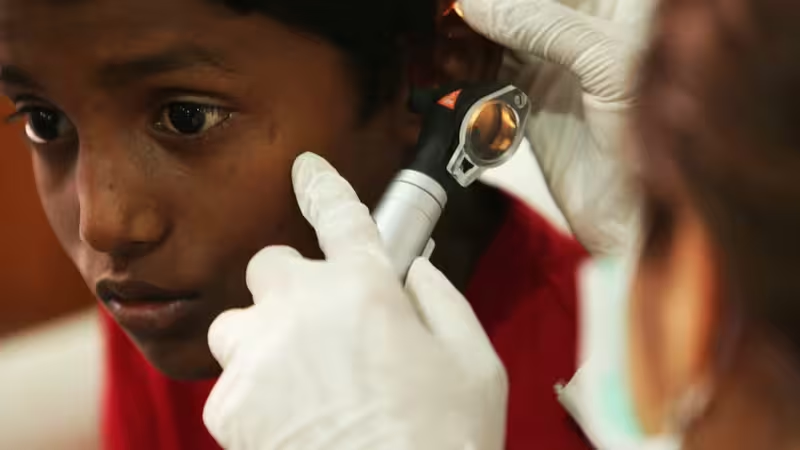
Ear health history plays a major role in deciding whether microsuction is suitable and how the appointment should be handled. A good clinician will want to know about previous ear infections, surgery, perforated eardrums, hearing aids, persistent tinnitus, or any problems with wax removal in the past. These details help identify risk and guide the safest approach. They also support better diagnosis, because repeated blockage may reflect anatomy, device use, or other factors that encourage wax build-up. If you are attending a private clinic in Reading for ear examination and wax removal, being open about your history helps the appointment feel more personal and clinically sound. It is a straightforward way to improve the quality of care, and it can prevent unsuitable treatment from being attempted.
Important Points to Mention at Assessment
- Any known perforation, fragile eardrum, or long-standing ear disease.
- Previous ear surgery, including grommets, mastoid procedures, or other operations.
- Current pain, discharge, itchiness, or recent infection in either ear.
- Past issues after wax removal, such as dizziness, soreness, or incomplete clearance.
- Hearing aid use, especially if wax has affected fit or sound quality before.
How History Shapes Clinical Decisions
History can change the plan in subtle but important ways. It may determine whether the clinician proceeds, whether a gentler technique is chosen, or whether the ear should be reviewed elsewhere first. This is part of safe diagnostic practice. It is also one reason private ear care should be more than a quick procedure. The best appointments combine listening, observation, and treatment judgement.
Why Patients Should Not Minimise Old Ear Problems
Even a problem that seemed minor years ago can matter today. Scarring, canal narrowing, or a previously damaged eardrum may change what is safe now. Mentioning it early avoids surprises and helps the clinician work responsibly.
What a Thorough Clinician Is Looking For
The aim is not only to remove wax, but to understand the ear well enough to do so safely. That includes spotting signs that another cause may be responsible for the symptoms and making sure you leave with useful advice.
Parking
There is free on-street parking for up to 2 hours in the nearby residential streets. There is also pay and display, or pay by phone, parking directly outside the clinic, and free parking at Lidl, which is a short walk away.
Choosing a Private Clinic for Ear Wax Assessment in Reading
When choosing a private clinic for ear wax assessment in Reading, it helps to look for clear diagnostic care, experienced clinicians, and a sensible approach to treatment. A good service should not promise a one-size-fits-all answer. Instead, it should explain how the ear will be assessed, when microsuction is appropriate, and what happens if the wax cannot be removed immediately. That approach gives confidence because it shows the clinic is focused on ear health rather than rushing straight to a procedure. People often want convenience, but they also want reassurance that the examination will be thorough and the advice trustworthy. In a field where symptoms can overlap and self-treatment can be unhelpful, experience and clear communication matter. A private ear care service should make the process feel calm, professional, and easy to understand.
What to Look for in a Reliable Service
- A focus on diagnosis, not just wax removal for its own sake.
- Clinicians who explain the examination and treatment steps before starting.
- Careful screening for ear pain, discharge, surgery history, or other risk factors.
- Appropriate equipment for direct visual assessment of the ear canal.
- Clear aftercare advice that supports comfort and long-term ear health.
Questions Worth Asking Before Booking
You might want to know whether the clinic offers assessment and treatment in the same visit, how they handle unsuitable cases, and whether they can advise you if the cause is not wax. These are sensible questions because they show whether the clinic takes diagnosis seriously. Good answers usually reflect a thoughtful, patient-centred service, which is exactly what ear care should be.
Why Professional Standards Are Important
Ear canal treatment is small-scale, but it still deserves proper clinical standards. Clean equipment, careful judgement, and honest advice are essential. Those basics protect safety and improve the experience for everyone who attends.
How to Judge Whether the Service Fits Your Needs
If you want a clear explanation, a safe method, and a clinician who will look beyond the wax itself, a private diagnostic service is likely to suit you. That can be especially helpful if symptoms have persisted or returned more than once.
Nearby Clinics
Here are some other clinics close to our Reading location:
Support for Blocked Ears, Hearing Aid Users, and Recurrent Wax

People with hearing aids, narrow canals, or repeated wax build-up often need more than a quick clean. They need an ear service that understands why the problem keeps coming back and how to manage it more effectively. Private microsuction in Reading can be useful here because it combines a diagnostic check with a practical treatment. If wax is affecting hearing aid performance, causing feedback, or making the ear feel sore, a clinician can inspect the canal and decide what should happen next. The aim is not simply to remove wax once, but to reduce the disruption it causes to daily life. For some patients, that may mean advice on future checks, while for others it may mean reviewing ear health before the next fitting or device adjustment. Either way, the service should be informed, clear, and based on what the ear actually needs.
Issues Often Seen in Recurrent Wax Cases
- The ear canal naturally produces more wax or sheds it less effectively.
- Wax is pushed deeper by repeated use of earbuds, cotton buds, or hearing aid moulds.
- Hearing aid wear can change airflow and increase wax retention.
- Symptoms return slowly, so the blockage is noticed only after hearing drops.
- Previous removal did not fully clear the canal, leaving a residue behind.
Why Routine Checks Can Help
If wax keeps returning, periodic ear examination may be more sensible than waiting until hearing becomes badly affected. That approach can prevent disruption and may make each appointment easier, because build-up is tackled before it becomes severe. It also means the clinician can watch for changes over time, which is useful in patients whose ears behave in predictable ways.
Practical Advice for Hearing Aid Wearers
If you use hearing aids, mention this clearly at the appointment. Wax can alter device performance, so your clinician may suggest timings for checks around fitting or maintenance. Good coordination between ear care and hearing support makes the whole experience more effective.
Why Prevention and Diagnosis Go Together
Prevention works best when it is built on proper diagnosis. Knowing why wax keeps returning allows for better advice, more suitable review intervals, and fewer surprises when hearing changes again.